

.png)

.png) Empathy & Integrity
Empathy & IntegrityLife Skills & Value Education
Nurturing emotional intelligence, ethical awareness, and practical competencies from Grade 1 to Grade 9.
Dept. of Life Skills
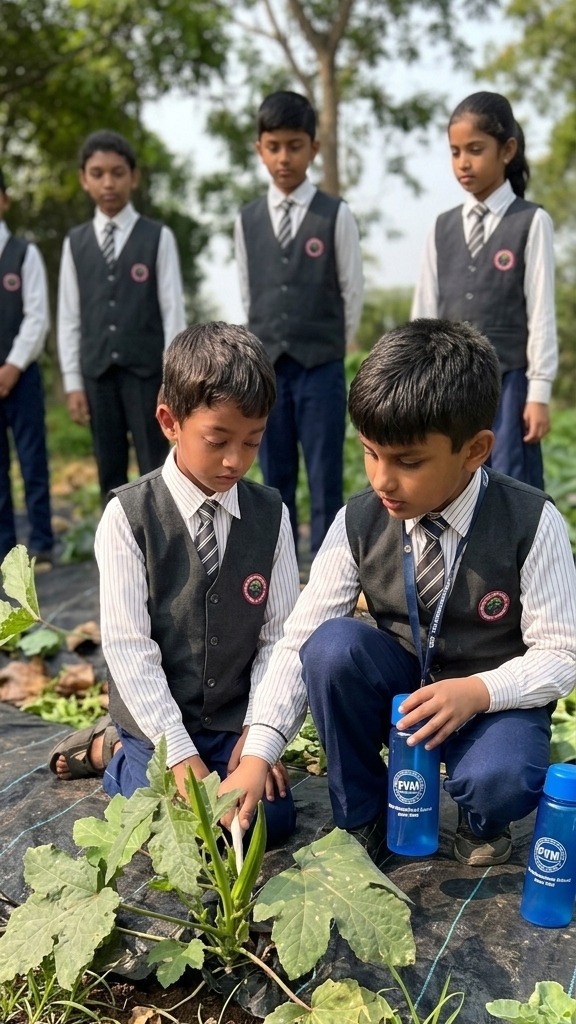
The curriculum integrates activities in leadership, teamwork, problem-solving, empathy, and social responsibility. Students engage in role plays, discussions, service-learning projects, and reflective exercises that strengthen character and resilience, ensuring holistic growth and civic responsibility.
VOur Vision
The Department of Life Skills & Value Education envisions a vibrant learning environment where every child discovers the importance of values and essential life skills as tools for responsible citizenship and personal fulfilment. Through structured programmes spanning Grades 1 to 9, we aspire to cultivate ethical awareness, resilience, and leadership. Our vision is to empower students to make thoughtful decisions, embrace empathy, and contribute meaningfully to society as confident, compassionate, and value-driven individuals.
MOur Mission
The Department of Life Skills & Value Education is committed to fostering holistic development through structured opportunities in ethical learning and skill-building. Our mission is to provide diverse experiences that encourage students to practice empathy, teamwork, and responsible decision-making. Through collaborative projects, reflective dialogues, and community engagement, we aim to nurture resilience, integrity, and social responsibility that enrich both personal growth and collective well-being.
Curriculum Development Process
Research Foundations in Pedagogy
Subject Matter Experts (SMEs) continuously explore global trends in value education, emotional intelligence, and life skills pedagogy. They identify practical applications in leadership, conflict resolution, and civic engagement, ensuring relevance.
Experiential Framework
Guided by research insights, we design age-appropriate projects. Younger learners build foundational skills in empathy and cooperation, while older students engage in ethical debates, leadership simulations, and community service.
Interdisciplinary Integration
Life skills are embedded across disciplines—science, literature, social studies, and technology—ensuring that students connect ethical reasoning and practical skills with academic learning.
Faculty Advancement
Educators undergo regular workshops and seminars on value-based pedagogy, reflective practices, and counselling strategies. This ensures teaching remains innovative and empathetic.
Global Citizenship
We emphasize intercultural understanding, civic responsibility, and ethical awareness. Students learn to appreciate diverse perspectives and act responsibly in global contexts.
Standardization & Quality
Regional Facilitators ensure consistency in programme delivery by observing classroom practices, offering feedback, and guiding educators effectively.
Dimensions of Life Skills
Emphasizing critical domains such as self-awareness, empathy, communication, decision-making, and resilience. Students engage in interactive projects and reflective exercises.
Annual Symposiums
Students showcase achievements through role plays, debates, exhibitions, and community service projects, celebrating ethical awareness and leadership.
Standardized Resources
Curated kits containing reflective journals, activity guides, and digital tools ensure uniformity and rigor across the programme.
Faculty Enrichment
Structured training programmes and interdisciplinary seminars equip educators with evolving methodologies in life skills education.
Life Skills Laboratories
Five progressive modules, each lasting three weeks, to ensure systematic ethical and practical skill development.
Self-Awareness & Growth
Building confidence, empathy, and resilience.
Ethical Reasoning
Understanding moral dilemmas and cultural values.
Leadership & Teamwork
Developing collaboration, responsibility, and initiative.
Applied Life Skills
Linking skills to family, school, and community life.
Social Responsibility
Culminating projects integrating reflection, innovation, and civic engagement.
Pedagogical Support Systems
Ensuring teaching and learning excellence through structured frameworks and continuous support.
Educator Capacity Building
Workshops and seminars on counselling, reflective pedagogy, and ethical facilitation.
Standardized Resources
Centrally curated materials and digital aids for consistent delivery across the curriculum.
Comprehensive Assessment
Formative and summative evaluations measuring emotional growth, ethical reasoning, and skill application.
Collaborative Communities
Shared projects and peer dialogues fostering teamwork and mutual respect.
Technological Integration
Multimedia tools and digital platforms supporting reflective practice and skill development.
Well-Being and Motivation
Initiatives nurturing resilience, confidence, and intrinsic motivation in supportive environments.