
.png)

.png) The Right Curriculum
The Right CurriculumDigital Learning
At PVM International School, digital learning is envisioned as a transformative journey that extends far beyond basic computer literacy.
Transformative Journey
From preschool onwards, children are introduced to coding through playful, age-appropriate activities that nurture logical thinking, creativity, and problem-solving skills. As they advance through the grades, the programme evolves from simple block-based coding to sophisticated text-based programming, Artificial Intelligence, and app development, preparing students for the digital future.
All our classrooms are equipped with Digital Boards and Projectors, ensuring interactive and engaging lessons that blend traditional pedagogy with modern technology. Dedicated Advanced Technology Labs provide hands-on experiences, where students experiment with coding, robotics, and AI applications. Beyond the classroom, learners participate in online project-based learning, collaborating on real-world challenges that foster innovation and teamwork. Each child maintains a digital portfolio, showcasing their projects, achievements, and growth over time, thus creating a personalized record of their learning journey.
"By integrating technology seamlessly into academics, PVM International School empowers students to become confident digital citizens—equipped not only with technical skills but also with the values of creativity, responsibility, and ethical innovation."
Signature Digital Initiatives
Coding Pathways – From Simple Blocks to Smart Logic
At PVM International School, coding education begins as early as Grade 1, where students are introduced to block-based programming through engaging, interactive activities. This early exposure helps them develop confidence while strengthening logical reasoning and creativity. As learners move into higher grades, the curriculum gradually transitions to text-based coding, allowing them to design more complex solutions and explore advanced concepts. This structured progression not only enhances problem-solving skills but also nurtures innovation and computational thinking. By the time students reach senior levels, they are well-prepared to tackle real-world challenges through coding, app development, and emerging technologies.
Virtual & Augmented Reality Learning
At PVM International School, students experience immersive lessons through Virtual Reality (VR) and Augmented Reality (AR) technologies. These tools transform abstract concepts into interactive experiences, allowing learners to explore scientific phenomena, historical events, and mathematical models in dynamic, engaging ways. By stepping into simulated environments, students gain deeper understanding, enhanced creativity, and improved retention of knowledge. VR and AR not only make learning exciting but also encourage curiosity, problem-solving, and innovation, preparing learners to adapt to the evolving digital world with confidence and imagination.
Crafting and Designing: From Imagination to Creation
PVM International School is among the pioneers in India to integrate 3D printing directly into its academic curriculum. From the middle grades onwards, students are encouraged to conceptualize, design, and produce their own three-dimensional models, transforming abstract ideas into tangible creations. This innovative practice is not limited to classroom exercises; learners actively participate in intra- and inter-school competitions, showcasing their designs and problem-solving abilities. The process of working with 3D printers fosters critical thinking, creativity, and collaboration, as students brainstorm, refine prototypes, and work in teams. By engaging in this hands-on learning, PVM students gain practical exposure to cutting-edge technology while developing essential skills for the future.
Digital Portfolios & Showcases
Every student at PVM International School maintains a digital portfolio that documents their academic journey, creative projects, and technological achievements. This personalized record highlights growth, innovation, and skill development across subjects, serving as both a reflection tool and a showcase of talent. Portfolios include coding projects, 3D designs, app prototypes, and collaborative work, offering a comprehensive view of each learner’s progress. By curating their digital accomplishments, students build confidence, develop presentation skills, and prepare for future academic and professional opportunities. These portfolios also foster accountability and pride in learning, making education more meaningful and future-oriented.
Hands-On Technology: Coding Meets Creativity
At PVM International School, students gain hands-on exposure to microcontrollers such as Micro:bit and Arduino, opening doors to the world of embedded systems and coding. Beginning with simple projects, learners gradually progress to building devices that integrate sensors, motors, and interactive components, discovering how code can bring physical objects to life. Through these activities, they explore practical applications—whether designing automated lights, temperature monitors, or small robotic systems—that demonstrate how programming can address everyday challenges. This experiential learning cultivates problem-solving, creativity, and innovation, while encouraging students to think critically about technology’s role in shaping smarter solutions for the future.
Artificial Intelligence – Shaping Tomorrow’s Learners
At PVM International School, Artificial Intelligence (AI) and Machine Learning (ML) are seamlessly woven into the academic programme, giving students the opportunity to explore how intelligent systems function in everyday life. Learners experiment with creating voice assistants, chatbots, and image recognition tools, gaining practical insight into how machines can process data and respond intelligently. Beyond technical skills, the curriculum emphasizes critical reflection on ethics, responsibility, and social impact, encouraging students to question how technology should be used and what boundaries must be respected. This balanced approach ensures that students not only master advanced digital tools but also develop the wisdom to apply them thoughtfully in real-world contexts.
Digital Development – Building Solutions that Matter
At PVM International School, students are encouraged to move beyond theory and apply their knowledge by designing apps and websites that serve genuine, real-world purposes. Beginning with simple, user-friendly interfaces, they gradually progress to more advanced platforms that integrate coding, design thinking, and problem-solving. Each project emphasizes not only technical proficiency but also the importance of social responsibility, ensuring that digital solutions are meaningful and ethical. Learners collaborate in teams, brainstorm ideas, and refine prototypes, gaining valuable experience in innovation and entrepreneurship. This approach nurtures creativity, critical thinking, and a sense of responsibility in shaping technology for society’s benefit.
Global Online Collaboration
Through global online collaboration projects, PVM International School connects students with peers across different countries, encouraging teamwork and cultural exchange. Learners engage in project-based tasks that address real-world challenges, from sustainability to technological innovation, while developing communication and leadership skills. These collaborations broaden perspectives, nurture empathy, and highlight the importance of working together in a connected world. By participating in international initiatives, students not only strengthen their academic knowledge but also cultivate global awareness and digital fluency. This practice prepares them to thrive in diverse environments and equips them with the skills needed for success in the 21st century.
Ethical Technology – Respect, Safety, and Responsibility
At PVM International School, we place strong emphasis on cultivating the safe, respectful, and ethical use of technology. Students are guided to understand the importance of protecting their personal information and maintaining privacy in the digital space. Through structured lessons and interactive discussions, they learn how to recognize and avoid potential online risks, including cyberbullying, misinformation, and unsafe platforms. Equally important is the development of a positive digital footprint, where learners are encouraged to use technology responsibly, communicate respectfully, and contribute meaningfully to online communities. This holistic approach ensures that every child grows into a confident, responsible, and thoughtful digital citizen.
Digital Excellence Infrastructure
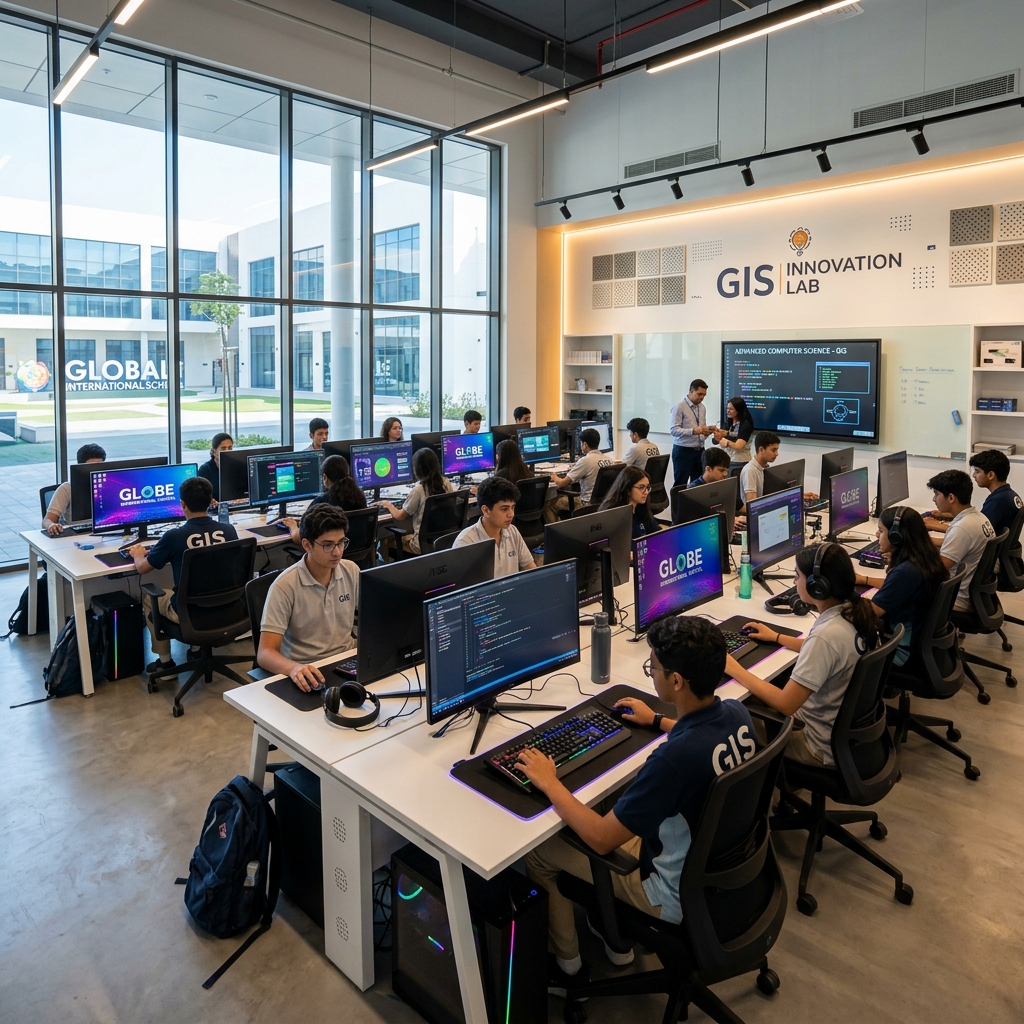
Advanced Computer Laboratories
Equipped with the latest hardware and licensed software, providing students with a modern environment for digital learning and innovation.
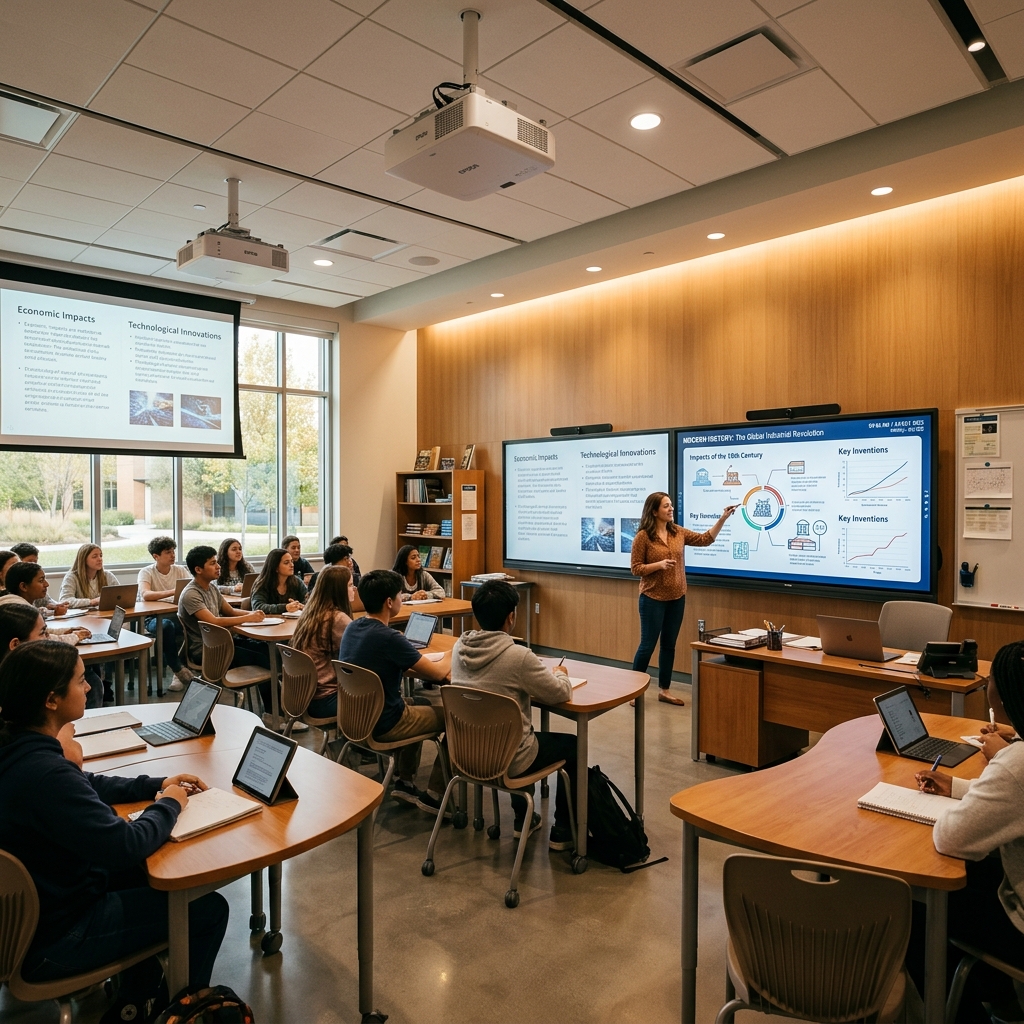
Smart Classrooms with Digital Boards & Projectors
Interactive teaching tools integrate ICT into daily lessons, enhancing engagement and fostering future-ready learning.
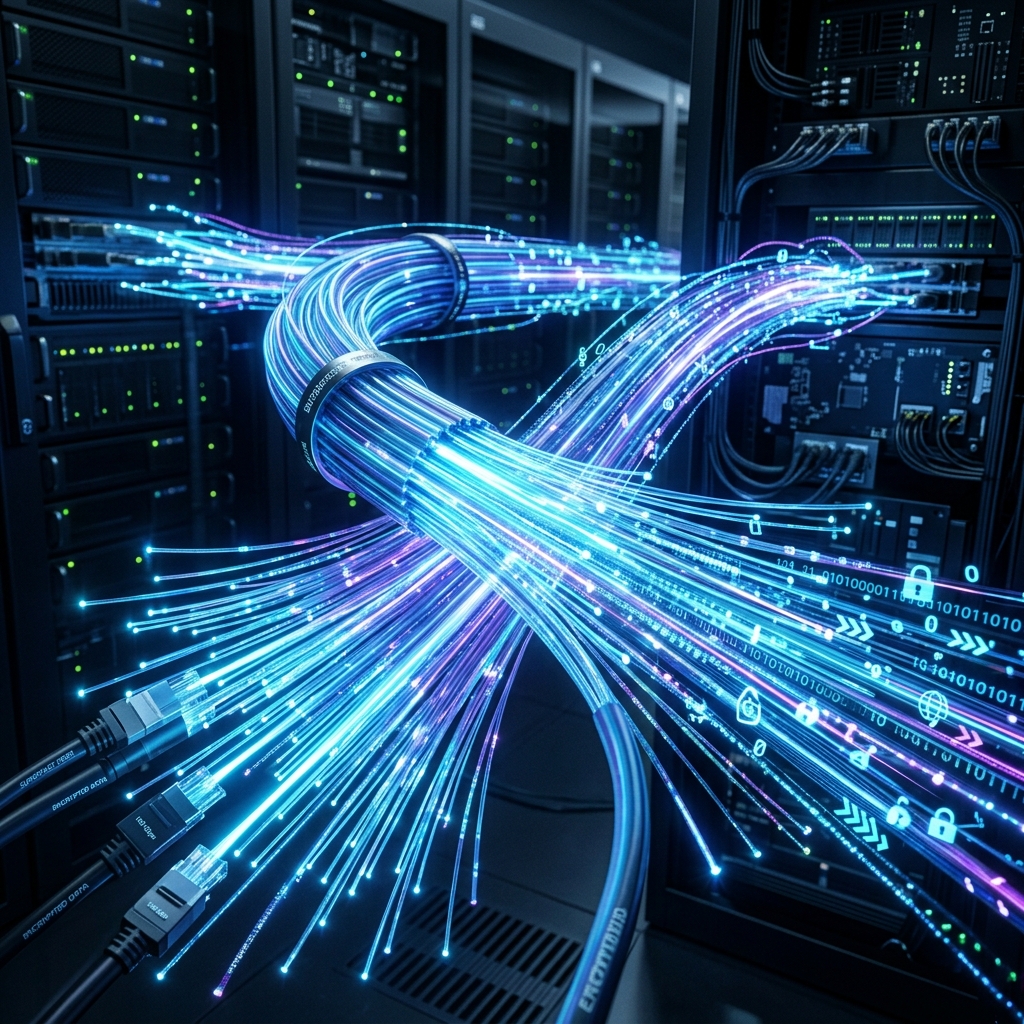
High-Speed Secure Internet
Reliable connectivity with robust content filters ensures safe, seamless access to online resources and collaborative platforms.
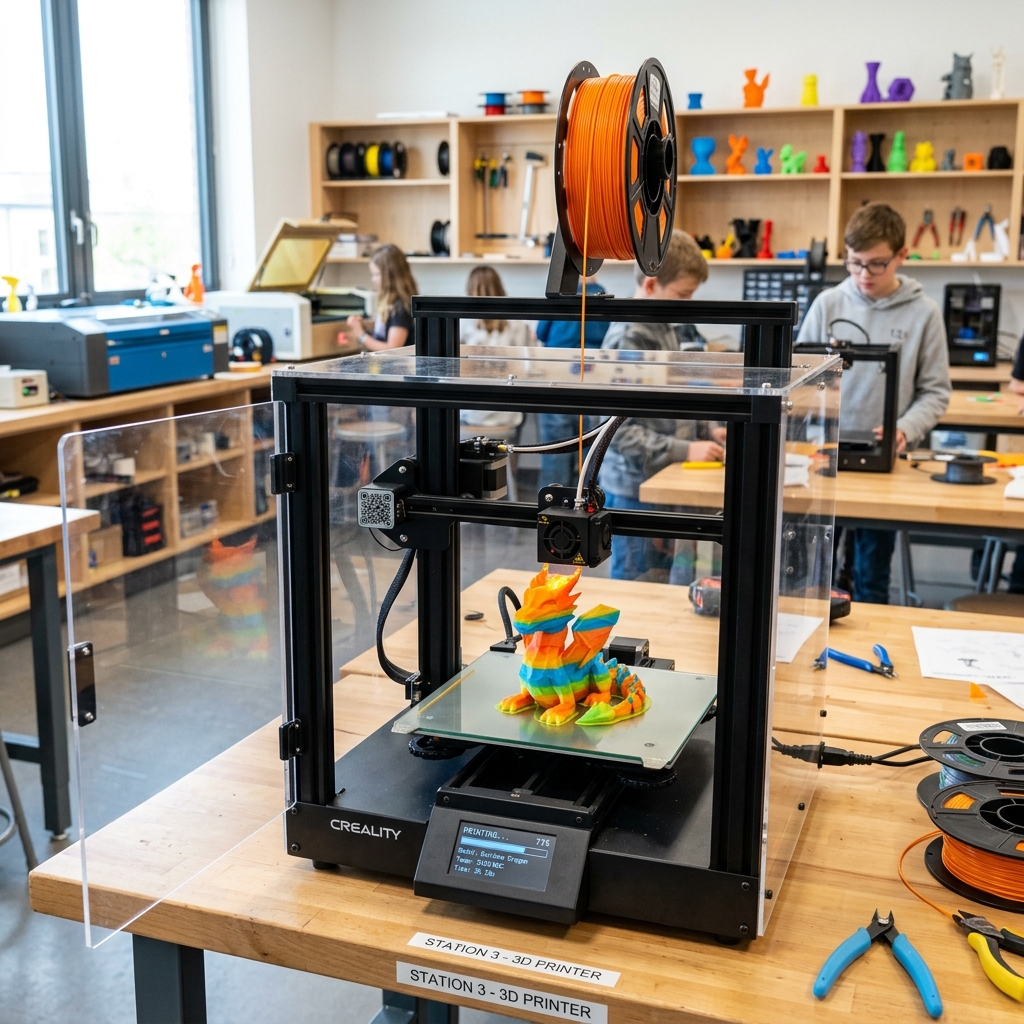
Cutting-Edge 3D Printing Facilities
Every school is equipped with 3D printers and skilled faculty, enabling learners to transform creative ideas into tangible models.
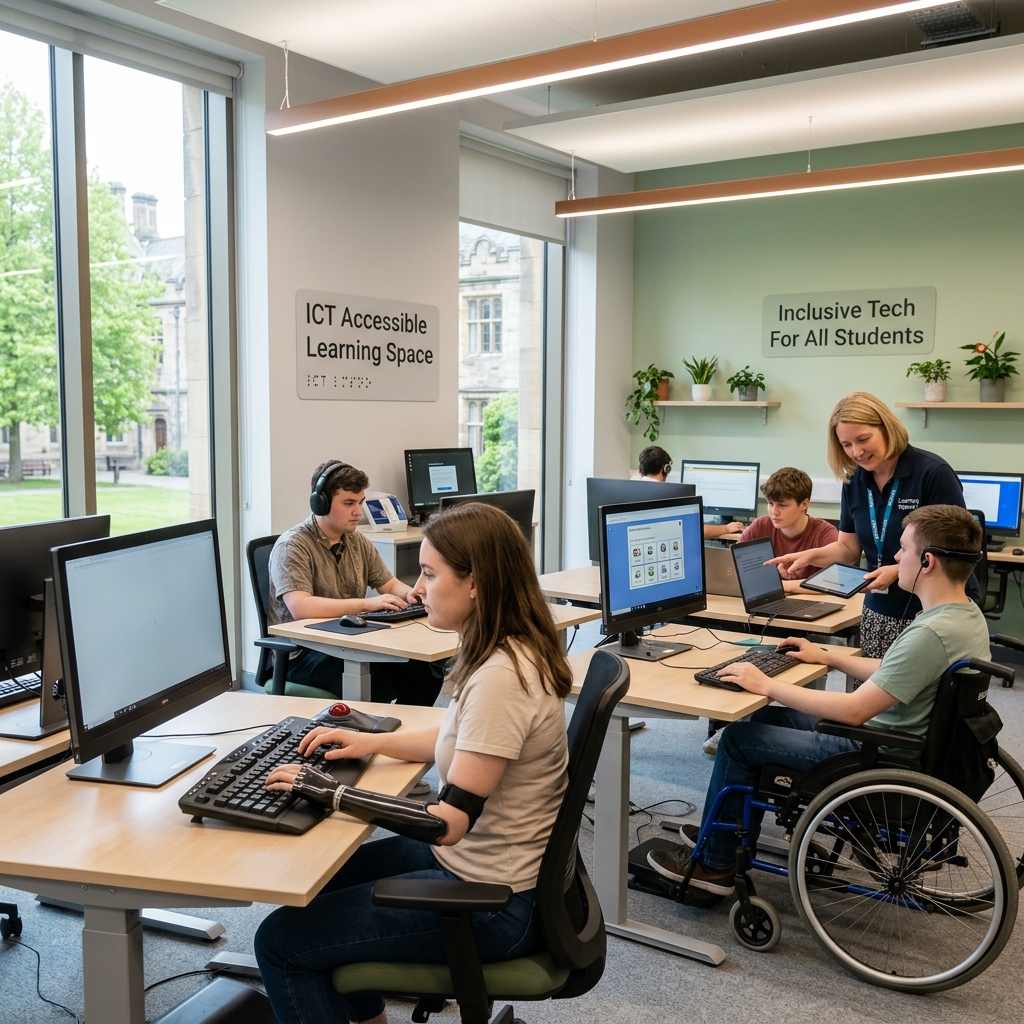
Inclusive ICT Facilities
Specially designed labs and adaptive technologies support diverse learners, promoting accessibility and equal opportunities.
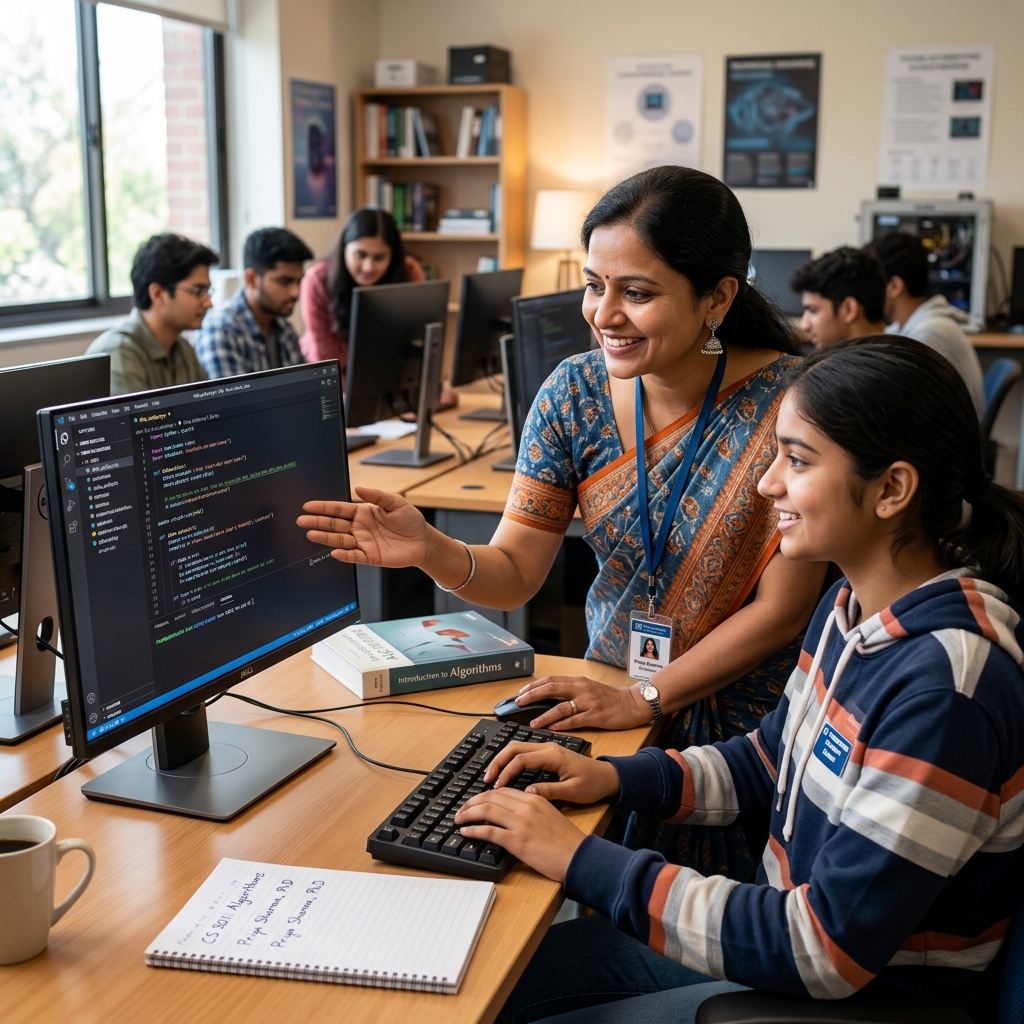
Expert Faculty & Guidance
Trained computer educators deliver personalized instruction, mentoring students in coding, design, and digital problem-solving.